PAGE CONTENTS
Objectives
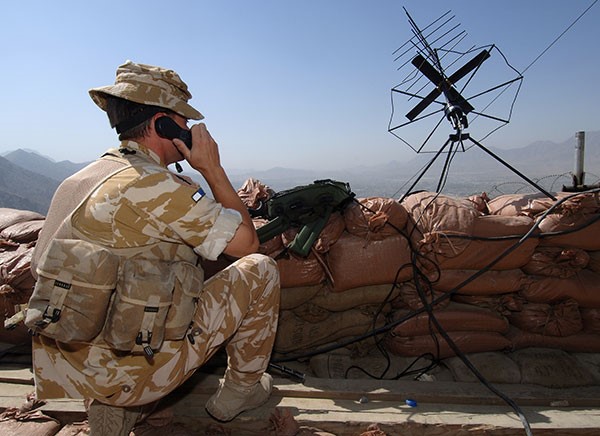
The Study was conducted on behalf of ESA and the European Defence Agency (EDA) and looked into tactical satellite communications within the military tactical environment (both UHF TacSat and commercial mobile satellite systems used within this context).
In particular, the study’s objectives were to:
- Develop a set of Use Cases to identify requirements of tactical satellite and to describe how tactical satellite is currently used in theatre (and building upon previous EDA study work).
- From these Uses Cases, identify Capability Gaps in the current tactical and mobile satcom systems in supporting these needs.
- Develop system-level Solutions that address these Capability Gaps, based on existing or planned UHF, L-band and S-band systems, or combinations of these, that can be operational before 2020.
- Identify and cost technical developments for these Solutions and propose roadmaps for these developments.
The Study was therefore aimed at supporting the enhancement of tactical satellite communications for European Defence Forces, of all sizes, within the 2020 timeframe.
Challenges
The key issues addressed by this Study are as follows:
- There is a fundamental lack of UHF channels available for use by EDA member states.
- UHF capacity prices are expensive, but DAMA and IW techniques are not currently widely utilised, reducing channel usage efficiency and increasing costs.
- There is a lack of suitable “mobile” satellite spectrum available for military usage worldwide, as an alternative to UHF.
- Smaller EDA states often have no access to tactical satellite capacity, unless participating on coalition operations.
- Finally, UHF radio production is dominated by US manufacturers, making any changes for European needs difficult to implement.
Plan
The Study had four Work Series (WS):
- WS1000 focused on the development of a set of User Requirements and Usage Scenarios and then identified Capability Gaps in current tactical satellite systems.
- WS2000 developed system solutions (options) to address the Requirements and Capability Gaps in the context of the Usage Scenarios, focusing on UHF, L-band, S-band and hybrid solutions.
- WS3000 validated these options against the Usage Scenarios and obtained feedback on options from the user community.
- Finally, WS4000 presented the conclusions and recommendations of the Study together with a development roadmap to 2020 for key technologies to support the recommendations
Current Status
The project was completed (February 2016).
The initial phase of the Study incorporated discussions with a range of end users and other interested entities from tactical satellite community, including satellite operators and procurement agencies. This led to a consolidated set of requirements and a number of “key considerations” that repeatedly arose during the discussions. In parallel, a number of typical usage scenarios for tactical satellite were drawn up by the study team’s military experts and then verified with the wider user community. Further analysis has identified the key Capability Gaps in the current system.
Phase 2 developed a list of high-level solution options, with rough order magnitude (ROM) costs, and went through a “down selection” process using agreed evaluation criteria. The surviving solutions were further refined and costed to provide a set of solutions that were evaluated in detail.
The final phase of the Study discussed the proposed solutions, and their associated benefits, with EDA member representatives, refined the options further, and then developed a roadmap for the necessary technology development to support the proposed solutions within the 2020 timeframe
Companies