PAGE CONTENTS
Objectives
The objective of the CASSIS project is to demonstrate an always-on connectivity solution tailored to the needs of the automotive sector. The birth of LEO mega constellations, miniaturisation of associated terminals and availability of low cost and compact RF components, has resulted in the ability to create a hybrid connectivity solution that has the right price point, performance and form factor for the automotive sector.
CASSIS aims at energising the UK space sector supply chain and create ecosystems for the growth of the space sector, specifically in satellite technology for automotive applications. This is achievable through:
-
Bringing together technical elements, academic research, and supply chain.
-
Design, simulation, and validation of novel antenna, RFIC and RFM technologies.
-
Designing for manufacturing and assembly capability, with a goal of low-cost and high-volume manufacturability.
-
Tier-1 industry engagement.
Challenges
In general, the R&D on Ka-band SATCOM terminal for LEO satellites in this project sits in a yet-to-exist commercial domain. This requires novel thinking, problem-solving with complex system design, and careful assumption management.
Technical challenges faced in this project:
-
IC industry slowing down during COVID-19; influencing the acceleration of the programme to a second technology iteration.
-
Integration conflicts due to limited fabricators capable of mounting the novel IC hardware – now significantly improved in our second design iteration.
-
Future challenge of ramping up to full-scale antenna array.
System Architecture
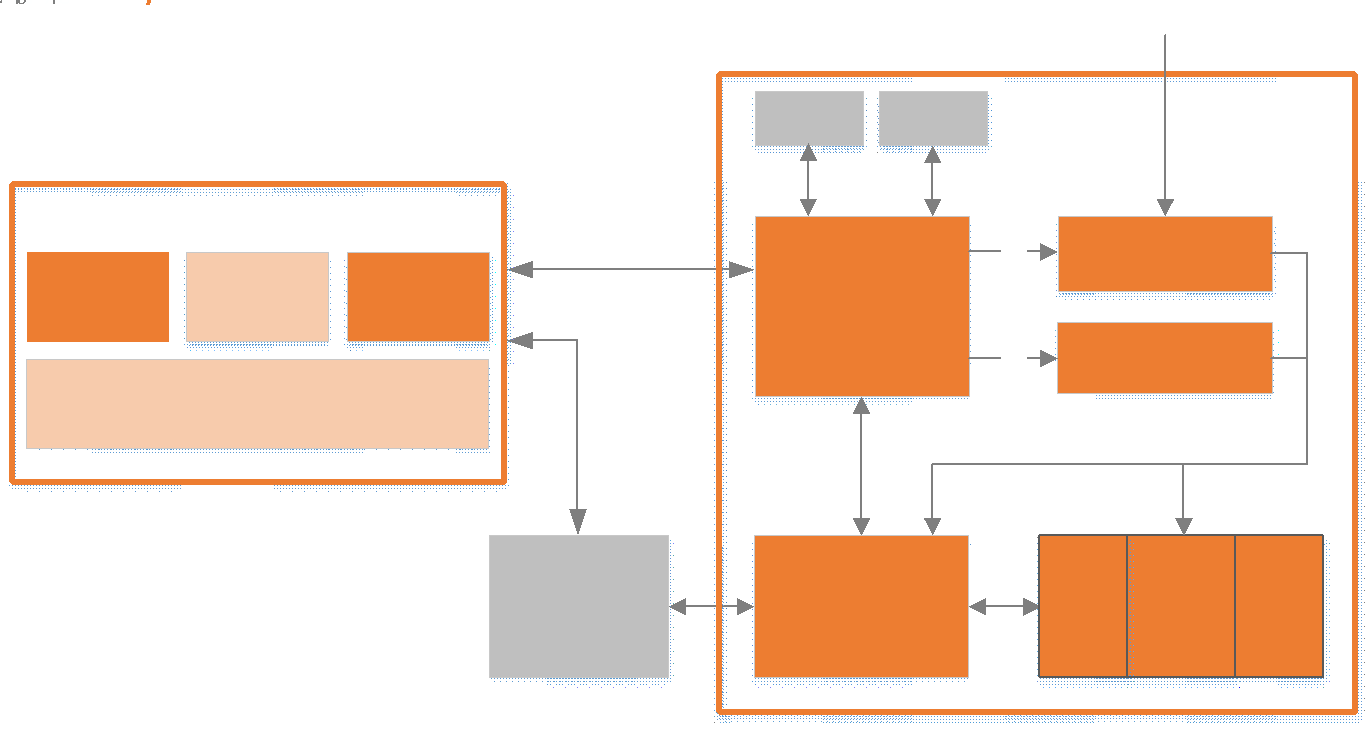
Key components of the system architecture developed in CASSIS are highlighted orange.
Plan
Once the Technology phase is completed, the consortium will use the Prototype to engage with Tier-1 and OEMs to pursue an R&D relationship for the maturing of the CASSIS technology into a commercial product.
Current Status
The Technology phase development phase has been completed. The consortium is shaping up opportunities for the continuation and exploitation of the CASSIS technologies proven so far.
Companies